


Soaring Safely
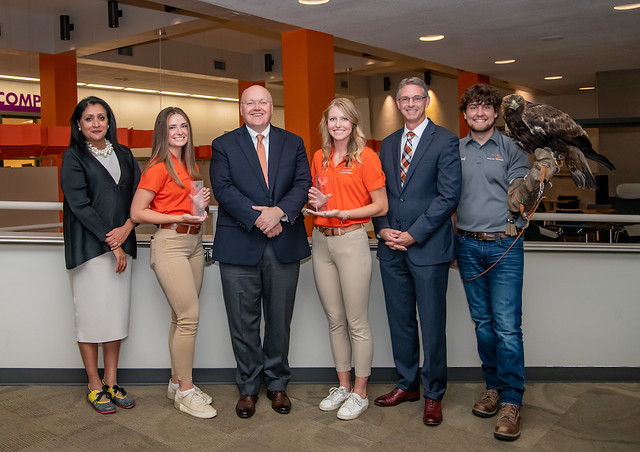
SOAR stands for safety first, operational excellence, accountability always and respect for all. The slogan encourages everyone, from students to the highest level of administration, to come together with a shared purpose, focus and values.
“SOAR is the foundation on which our programs are built, and it’s also a reminder that we can always aspire to a higher level,” said School of Aviation Director James Birdsong. “It really captures how Auburn Aviation uniquely embodies the Auburn Creed in our operations.”
Soaring Safely
SOAR stands for safety first, operational excellence, accountability always and respect for all. The slogan encourages everyone, from students to the highest level of administration, to come together with a shared purpose, focus and values.
“SOAR is the foundation on which our programs are built, and it’s also a reminder that we can always aspire to a higher level,” said School of Aviation Director James Birdsong. “It really captures how Auburn Aviation uniquely embodies the Auburn Creed in our operations.”
The SMS is based on sound policies, risk management, data-backed safety assurance equations and safety promotion by creating a culture of safety.
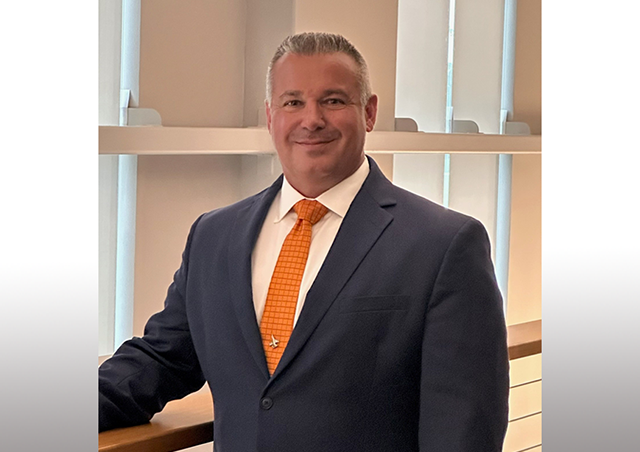
Safety Manager Keith Williams said spreading awareness is key to a safety management system because it allows programs to be more proactive than reactive.
“It doesn’t matter what kind of safety program you have, the name of the game is to stay ahead of the operation,” Williams said. “If you can stay ahead and if you’re not playing catch up, you can observe. You can prevent some bad things from happening before they actually do happen. If you can do that, then you know your safety program is effective.”

Williams said Auburn’s real strength is its people, from the maintenance teams and experienced faculty to the outstanding students and Atlanta-based inspectors, everyone works hard to see the school succeed.
“The School of Aviation is really blessed to have the people that we have, because we’ve got probably a couple of hundred years’ worth of aviation experience resident here,” Williams said. “That’s a really good thing because with that experience background that our people have, you can see things coming in a way, and it’s a little easier to come up with solutions to issues.”
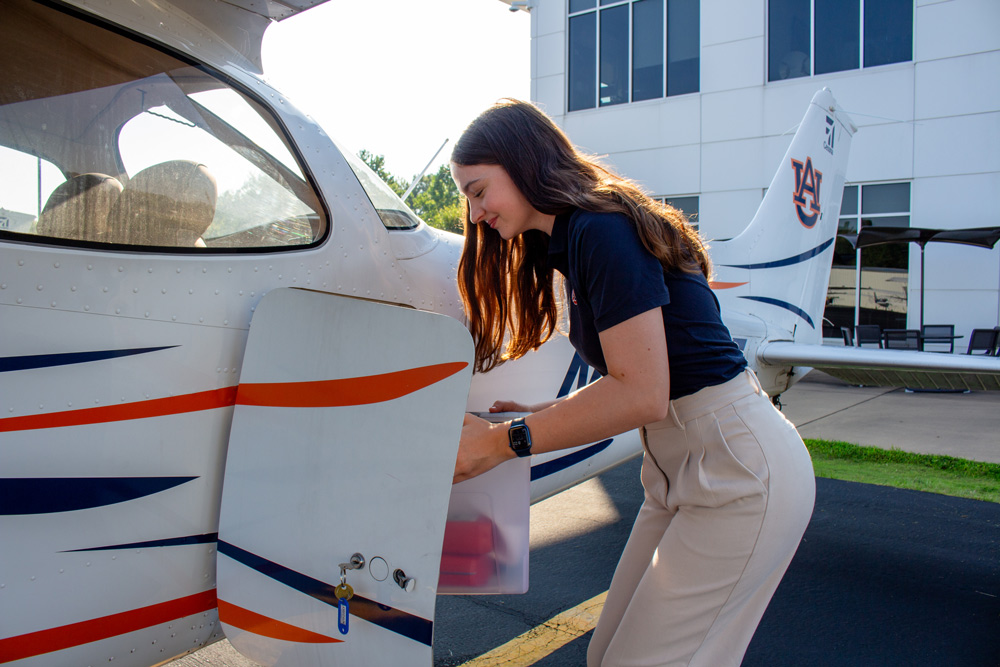
Students and recently graduated professional flight instructors see more than anyone on the ground. The committee encourages the use of service kits, which include items such as window cleaner and oil, to limit trips between the building and the aircraft.
They also instruct new students on how to conduct pre-flight checks and created a ramp safety video for students who come from smaller schools without the number of airplanes Auburn hosts.
President and professional flight senior Jessica McGrath said the student and instructor viewpoints shine in those detail-oriented safety guidelines.


To help spread the message, the committee created a newsletter for students that gives information about how to avoid common mistakes, updates in operations and solutions to potential safety hazards such as new lighting systems.
McGrath said beyond the physical signs of safety culture and what they learn in the classroom, each individual has a responsibility to support safety. She and the committee promote the I.M. S.A.F.E. checklist for students to evaluate their illness, medication, stress, alcohol, fatigue, eating and emotion levels before getting into the flight deck.
“In a flight school environment, it can be very hard to cancel a flight if you’re feeling ill, but at the end of the day, you need to be safe in the plane even though you want to get lessons done,” McGrath said. “That’s one of the things we’ve really worked on is making sure students, even though they feel the need to push on, if the plane’s not properly pre-flight or you’re feeling sick, don’t go. You can’t have aviation without safety.”